 Come See the Farm
 Our Shop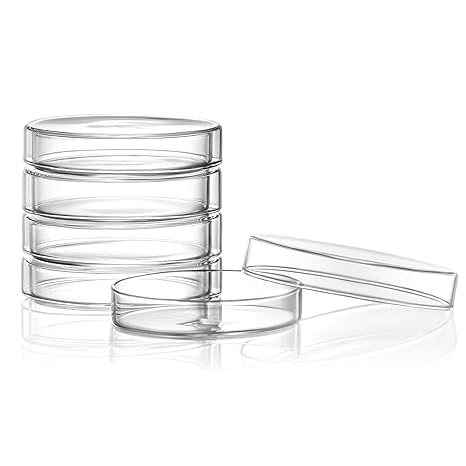
Petri Dish V Liquid Culture
Introduction
Mushroom cultivation has gained significant attention in recent years due to its nutritional benefits, environmental sustainability, and economic potential. As more individuals and businesses engage in mushroom farming, understanding the various culturing techniques becomes crucial. This article presents an in-depth comparative case study on two prevalent methods: using Petri dishes versus liquid cultures. Through this analysis, we aim to identify the strengths and weaknesses of each method, ultimately guiding cultivators in making informed decisions about their mushroom-growing practices.
Understanding Culturing Techniques
What are Petri Dishes?
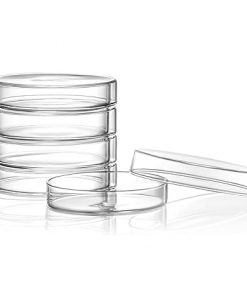
Petri dishes, also known as Petri plates, are shallow, transparent containers made of glass or plastic that are used for microbiological culture. The interior surfaces are typically filled with a nutrient-rich agar medium that supports fungal growth, including mushrooms. The primary advantage of Petri dishes lies in their ability to contain and isolate specific fungal strains, allowing for a controlled environment where the growth of mycelium can be closely monitored.
Petri dishes are often employed in the initial stages of mushroom cultivation, particularly during the inoculation phase. This method includes placing small pieces of mushroom tissue or spores onto the agar surface, creating a conducive environment for mycelium to colonize. The transparency of the dishes enables cultivators to visually assess growth and detect contamination early on.
What are Liquid Cultures?
Liquid cultures, on the other hand, involve growing mycelium in a nutrient-rich liquid medium. These cultures are typically housed in sterile containers, such as flasks or bottles, and provide a dynamic environment that can promote rapid mycelial growth. The liquid medium can include various formulations, such as corn syrup, malt extract, or other organic materials, designed to support fungal development.
Liquid cultures are often favored for their efficiency in propagating large quantities of mycelium. They can be used as inoculants for bulk substrate preparations, allowing for faster colonization rates. Moreover, their ability to mix and aerate the medium can enhance the growth dynamics of the mycelium, making them an attractive option for commercial cultivators.
Case Study Methodology
Selection of Mushroom Species
For this comparative case study, we selected two popular mushroom species known for their commercial viability: Pleurotus ostreatus (Oyster mushroom) and Agaricus bisporus (Common button mushroom). Both species exhibit distinct growth characteristics and preferences, making them ideal candidates for analyzing the effectiveness of Petri dish versus liquid culture methodologies.
By focusing on these species, we aim to explore how each culturing method influences growth patterns, contamination rates, and overall yield. The study will provide insights that are applicable to a wide range of mushroom cultivars, ultimately enriching the knowledge base of mushroom growers.
Experimental Setup
The experimental setup involved creating two separate cultivation environments for each mushroom species. For the Petri dish method, we prepared agar plates inoculated with tissue samples from each mushroom type. These plates were then incubated under controlled temperature and humidity conditions.
In contrast, the liquid culture method involved inoculating sterile nutrient solutions with the same tissue samples, followed by shaking to ensure even distribution of the mycelium. Both setups were monitored over a specified incubation period, during which growth rates, contamination incidences, and overall health of the cultures were meticulously documented.
Results and Observations
Growth Rates Comparison
The growth rates of mycelium were recorded daily for both methods. In general, liquid cultures exhibited a faster colonization rate compared to Petri dishes. For instance, the Oyster mushroom in liquid culture reached full colonization within seven days, while the same species in Petri dishes took approximately ten days. This difference illustrates the efficiency of liquid media in providing nutrients and moisture, which are crucial for rapid growth.
However, the growth patterns were not uniform across all species tested. Agaricus bisporus demonstrated more consistent growth rates in Petri dishes, potentially indicating a preference for solid substrates during its early growth stages. The ability to visually assess growth in Petri dishes allowed for more precise monitoring, which can be beneficial for cultivators aiming to optimize conditions for specific mushroom varieties.
Contamination Rates Analysis
Contamination is a significant concern in mushroom cultivation that can lead to reduced yields and crop failures. Our observations indicated that Petri dishes offer a higher level of control over contamination. The enclosed environment allowed for easier identification and removal of contaminated cultures before they could spread.
Yield and Quality Assessment
When comparing the final yields from both methods, liquid cultures produced a higher biomass output for both mushroom species. For the Oyster mushroom, the yield from liquid culture was roughly 30% greater than that obtained from Petri dishes. This increase in yield highlights the potential benefits of utilizing liquid cultures, particularly in commercial operations where maximizing production is crucial.
However, yield is only one aspect to consider; the quality of mushrooms harvested also plays a significant role in marketability. In our study, the mushrooms grown from Petri dishes exhibited more robust physical characteristics, such as firmer texture and richer coloration, which are often preferred in the market. This indicates that although liquid cultures may provide higher yields, there could be trade-offs concerning quality that cultivators must consider.
Discussion
Advantages of Petri Dishes
The primary advantages of using Petri dishes lie in their simplicity and effectiveness in controlling environmental conditions. Cultivators can easily observe mycelium growth, enabling them to identify issues such as contamination early. This method is particularly beneficial for beginners who may still be developing their sterile technique skills.
Moreover, Petri dishes allow for the preservation of specific fungal strains. They can be stored for extended periods, providing a reliable resource for future inoculations. For cultivators focused on maintaining genetic purity or experimenting with new strains, Petri dishes represent a practical solution that facilitates ongoing research and development.
Advantages of Liquid Cultures
Liquid cultures offer distinct advantages, particularly regarding the speed and efficiency of mycelial propagation. The ability to produce large quantities of mycelium in a relatively short time frame can significantly enhance productivity, especially in commercial settings. This rapid growth is particularly advantageous when scaling operations or during peak demand periods.
The versatility of liquid cultures also allows for experimentation with different nutrient formulations, enabling cultivators to optimize growth conditions specific to their mushroom varieties. Additionally, the dynamic nature of the liquid medium facilitates aeration, which can further promote healthy mycelial development. These factors together make liquid cultures an appealing option for many commercial mushroom growers.
Limitations of Each Method
Despite their advantages, both methods have inherent limitations. Petri dishes can be labor-intensive and require careful handling to avoid contamination during transfer and inoculation. Cultivators must also consider the limited scalability of Petri dishes, which may hinder operations aiming for large-scale production.
On the other hand, while liquid cultures can generate high yields, their susceptibility to contamination necessitates stringent sterile practices. Additionally, the quality of mushrooms produced from liquid culture may sometimes fall short compared to those grown from solid substrates. This aspect can be particularly impactful in markets where product aesthetics and quality are paramount.
Conclusion
Summary of Findings
In summary, both Petri dishes and liquid cultures have unique strengths and weaknesses that cater to different cultivation needs. Petri dishes are excellent for initial growth stages, offering control and visual monitoring, while liquid cultures enhance efficiency and yield. The choice between these methods ultimately depends on the objectives of the cultivator, including factors such as scale, resource availability, and desired product quality.
Recommendations for Mushroom Cultivators
Mushroom cultivators should carefully evaluate their specific circumstances before choosing a culturing method. For those starting in mushroom cultivation or focusing on quality, Petri dishes may provide a solid foundation. Conversely, for established growers seeking to enhance productivity, liquid cultures may offer the speed and scalability required to meet market demands.
References
[1] Stamets, P. (2000). Mycelium Running: How Mushrooms Can Help Save the World. Ten Speed Press. [2] Chang, S.T., & Miles, P.G. (2004). Mushrooms: Cultivation, Nutritional Value, Medicinal Effect, and Environmental Impact. CRC Press. [3] Royse, D.J., & Beelman, R.B. (2002). Cultivating Mushrooms: A Practical Guide. Penn State University Press.FAQs
What are the key benefits of using Petri dishes for mushroom cultivation? Petri dishes provide excellent control over environmental conditions, making it easier to monitor growth and detect contamination early. They are also practical for preserving specific fungal strains.
Are liquid cultures always better than Petri dishes? Not necessarily. While liquid cultures can enhance speed and yield, they may also lead to increased contamination risks and potentially lower quality mushrooms compared to those grown in Petri dishes.
How can I prevent contamination in liquid cultures? To prevent contamination, it is essential to follow strict sterile techniques, including proper cleaning and sterilization of all equipment, as well as working in a clean environment.
Which method is more suitable for beginners? Petri dishes may be more suitable for beginners because they allow for easier observation and management of growth conditions, making them a great starting point for those new to mushroom cultivation.
Can I use both methods simultaneously? Yes, many cultivators use both methods in tandem, utilizing Petri dishes for initial strain isolation and testing, while employing liquid cultures for large-scale production as they scale up their operations.