 Come See the Farm
 Our Shop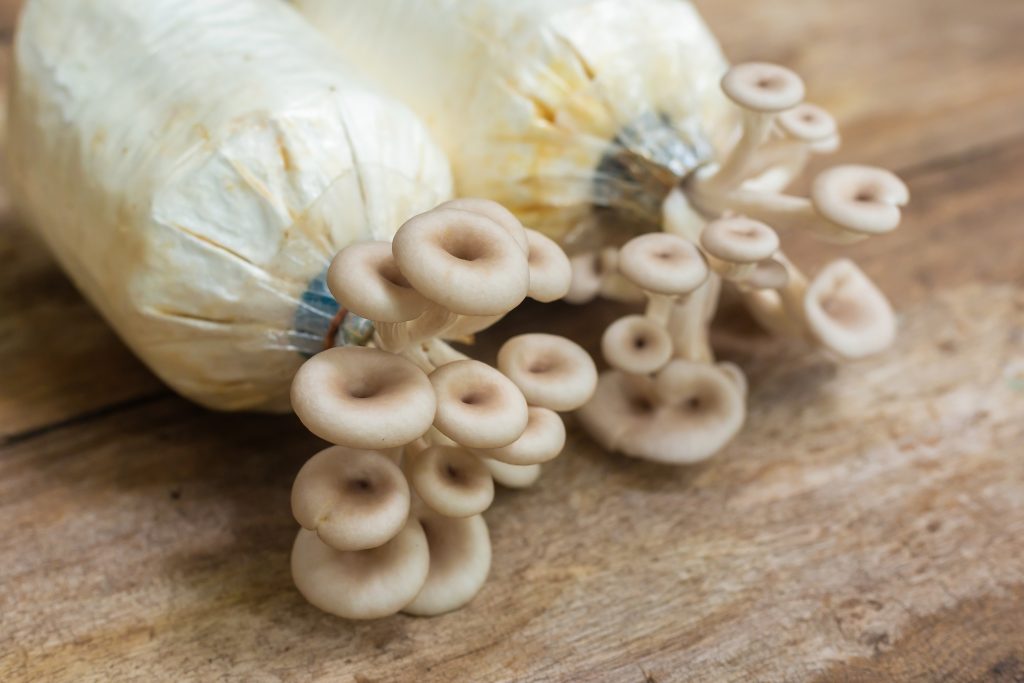
My Phoenix Oyster Mushrooms trial
My Phoenix Oyster Mushrooms trial
Introduction
The journey of growing food at home is a rewarding experience, and one that can lead to delicious and healthy outcomes. My journey into the world of mushroom cultivation began with a simple interest in sustainable living, which quickly morphed into a fascination with the intricate process of growing food. In particular, I was drawn to the Phoenix oyster mushroom, known for its vibrant colors and unique taste. This article chronicles my personal experience growing these mushrooms from spores to harvest, detailing the steps I took, the challenges I faced, and the ultimate joys of cultivation.
Personal Motivation for Growing Mushrooms
My motivation for cultivating mushrooms stemmed from a desire to embrace a more sustainable lifestyle. With rising grocery prices and concerns about the environmental impact of commercial farming, I sought to grow my own food. Mushrooms, in particular, require minimal space and can thrive on various organic materials, making them an ideal choice for beginners. Moreover, the health benefits of mushrooms, including their rich nutrient profiles and immune-boosting properties, further fueled my enthusiasm.
Overview of Phoenix Oyster Mushrooms
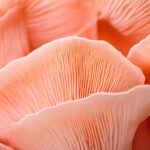
The Phoenix oyster mushroom, scientifically known as Pleurotus djamor, is not only visually appealing with its bright pink to peach-colored caps but also boasts a delicate, slightly sweet flavor. These mushrooms are versatile in cooking, complementing a wide range of dishes from stir-fries to soups. Beyond their culinary uses, they are also known for their ability to break down organic materials, making them an essential component in sustainable gardening practices. Their rapid growth cycle and relative ease of care make them an excellent choice for novice mushroom growers.
The Beginning of the Journey
Researching Mushroom Cultivation
Before diving into mushroom cultivation, I dedicated time to research various methods and techniques. Numerous online resources, forums, and books provided me with a wealth of knowledge about different mushroom species, cultivation techniques, and the science behind mushroom growth. I learned about the importance of sterile conditions, the various substrates suitable for growing mushrooms, and the environmental factors that influence their growth. This foundational knowledge helped me feel more confident as I prepared to start my own mushroom garden.
Choosing the Right Supplies
Once I felt adequately informed, I began sourcing the necessary supplies for my cultivation project. I selected a high-quality spawn of Phoenix oyster mushrooms, which I ordered from a reputable supplier. In addition to the spawn, I gathered other essential materials such as growing bags, substrate (straw and coffee grounds), a pressure cooker for sterilization, and a humidifier to maintain optimal humidity levels. Having the right tools and materials on hand was critical to ensuring a successful growing environment.
Setting Up My Mushroom Garden
Preparing the Growing Medium
The next step involved preparing the growing medium. I chose a mixture of straw and used coffee grounds, both of which are excellent substrates for Phoenix oyster mushrooms. To sterilize the straw, I soaked it in hot water and then allowed it to cool. The coffee grounds were prepared by simply ensuring they were fresh and free of contaminants. This combination of materials provides the necessary nutrients for the mushrooms to thrive while also promoting healthy mycelium growth.
Inoculating with Spores
Inoculation is a crucial step in mushroom cultivation, as it involves introducing the mushroom spawn into the prepared substrate. Wearing gloves and working in a sterile environment, I carefully mixed the spawn into the substrate, ensuring even distribution. After this process, I placed the mixture into clear growing bags, which would allow me to monitor the colonization process. I sealed the bags and poked small holes for air exchange, recognizing the importance of both oxygen and carbon dioxide in mushroom development.
Creating the Ideal Environment
Creating the right environment for the mushrooms to grow was essential to my success. I placed the growing bags in a dark, warm area of my home, aiming for temperatures between 70°F and 75°F. To maintain humidity, I used a humidifier, ensuring that the bags remained moist without becoming overly saturated. Monitoring the environment carefully was crucial in the early stages, as any deviation could hinder mycelium growth and ultimately affect the yield.
Watching the Magic Happen
My First Signs of Growth
A few weeks after inoculation, I noticed the first signs of growth: white mycelium colonizing the substrate. This was an exhilarating moment, confirming that my efforts were not in vain. The mycelium resembles a white fuzz spreading through the substrate, and it is a clear indicator that the mushrooms are on their way. As days passed, I continued to monitor the bags closely, adjusting humidity levels and ensuring there were no signs of contamination.
Understanding the Growth Cycle
As the mycelium fully colonized the substrate, I transitioned the bags to a fruiting environment. This involved exposing them to light and fresh air, which are critical triggers for mushroom formation. Over the next week, I watched in awe as tiny pins began to emerge from the substrate, gradually growing into full-sized mushrooms. Understanding the growth cycle— from mycelium to pinning, and finally to harvesting— was not only fascinating but also deepened my appreciation for the natural processes at play.
Challenges Along the Way
Dealing with Contamination
Despite my best efforts, challenges arose during the cultivation process. One of the most significant issues I encountered was contamination. Mold and other unwanted fungi can easily invade the growing medium if sanitary conditions are not maintained. I found a few bags that showed signs of green mold, which prompted me to take immediate action. I promptly discarded the contaminated bags and learned the importance of maintaining meticulous cleanliness in my growing area.
Addressing Environmental Concerns
In addition to contamination, I faced difficulties in controlling humidity and temperature fluctuations. During particularly warm days, my indoor environment became less stable, and I noticed the humidity levels dropping below optimal ranges. This experience taught me the value of investing in a reliable hygrometer and a more advanced humidifier. By closely monitoring and adjusting the environmental conditions, I was able to create a more stable growing environment for my mushrooms.
The Joy of Harvesting
First Harvest: A Memorable Experience
After weeks of anticipation, the day finally arrived for my first harvest. I carefully cut the mushrooms at the base, following the traditional method to avoid damaging the mycelium below. Holding the freshly harvested Phoenix oyster mushrooms in my hands was a profound moment, a reflection of my hard work and dedication. The vibrant colors and unique shapes of the mushrooms were a feast for the eyes and a testament to the beauty of nature.
Cooking with Phoenix Oyster Mushrooms
After harvesting, I was eager to incorporate my freshly grown mushrooms into my cooking. I tried several recipes, including a savory stir-fry, creamy mushroom risotto, and a delicious mushroom soup. Each dish showcased the delicate flavors of the Phoenix oyster mushrooms, elevating my meals to new heights. Cooking with homegrown ingredients not only provided satisfaction but also deepened my appreciation for the entire process from spore to plate.
Reflections on the Journey
What I Learned About Patience and Persistence
Reflecting on my journey, I realized that mushroom cultivation is a true exercise in patience and persistence. The waiting period from inoculation to harvest requires dedication, and not every attempt will yield results. However, each setback taught me valuable lessons about the importance of maintaining a positive outlook and adapting to challenges. With each failure, I gained insights that ultimately contributed to my growth as a mushroom cultivator.
The Impact on My Culinary Skills
Additionally, growing my own mushrooms significantly impacted my culinary skills. I became more adventurous in the kitchen, learning to experiment with various flavors and cooking techniques. Understanding the unique characteristics of Phoenix oyster mushrooms allowed me to create dishes that highlighted their texture and taste. This culinary exploration has not only enriched my daily meals but has also encouraged me to continue experimenting with other homegrown produce.
Conclusion
Encouragement for Aspiring Mushroom Growers
As I conclude my journey of growing Phoenix oyster mushrooms, I encourage others to embark on their own cultivation adventures. Growing mushrooms is not only a sustainable practice but also a fulfilling hobby that can lead to delicious culinary experiences. With the right resources, a bit of patience, and a willingness to learn, anyone can successfully grow their own mushrooms at home.
Final Thoughts on Cultivating Nature at Home
Cultivating mushrooms at home is a remarkable way to connect with nature and gain a deeper understanding of the food we consume. The experience of nurturing a living organism from spore to plate brings joy and satisfaction that is hard to replicate. As we become more conscious of our food sources, home mushroom cultivation stands out as an accessible, rewarding, and sustainable practice. Whether you’re an experienced gardener or a complete novice, consider bringing a bit of nature into your home through mushroom cultivation.
FAQs
What are the best conditions for growing Phoenix oyster mushrooms?
Phoenix oyster mushrooms thrive in a warm, humid environment. Ideal temperatures range from 70°F to 75°F, with humidity levels between 80% and 90%. Proper air circulation is also essential to prevent contamination and promote healthy growth.
How long does it take to grow Phoenix oyster mushrooms?
The entire process from inoculation to harvest typically takes about 4 to 6 weeks, depending on the growing conditions and the specific strain of mushrooms. After colonization, it usually takes another week or two for the mushrooms to pin and mature.
Can I grow mushrooms without a lot of space?
Yes! Mushrooms can be grown in small spaces, making them suitable for urban gardeners or those with limited room. They can be cultivated in bags, containers, or even on repurposed materials like coffee grounds and cardboard.
What should I do if I notice contamination?
If you notice signs of contamination, such as green mold, it’s crucial to act quickly. Remove and discard the contaminated bags or materials to prevent the spread of mold to healthy bags. Maintaining proper sterile techniques will help minimize contamination risks in the future.
Are there any health benefits to eating Phoenix oyster mushrooms?
Yes, Phoenix oyster mushrooms are rich in nutrients, including protein, fiber, vitamins, and minerals. They are also known for their antioxidant properties and potential immune-boosting effects, contributing to overall health and wellness.

Phoenix oyster mushrooms
10ml Phoenix Oyster Mushrooms Specialist Range Liquid Mycelium Culture / Seed
King Oyster Mushrooms
