Growing Pioppino Mushrooms
Introduction to Pioppino mushroom
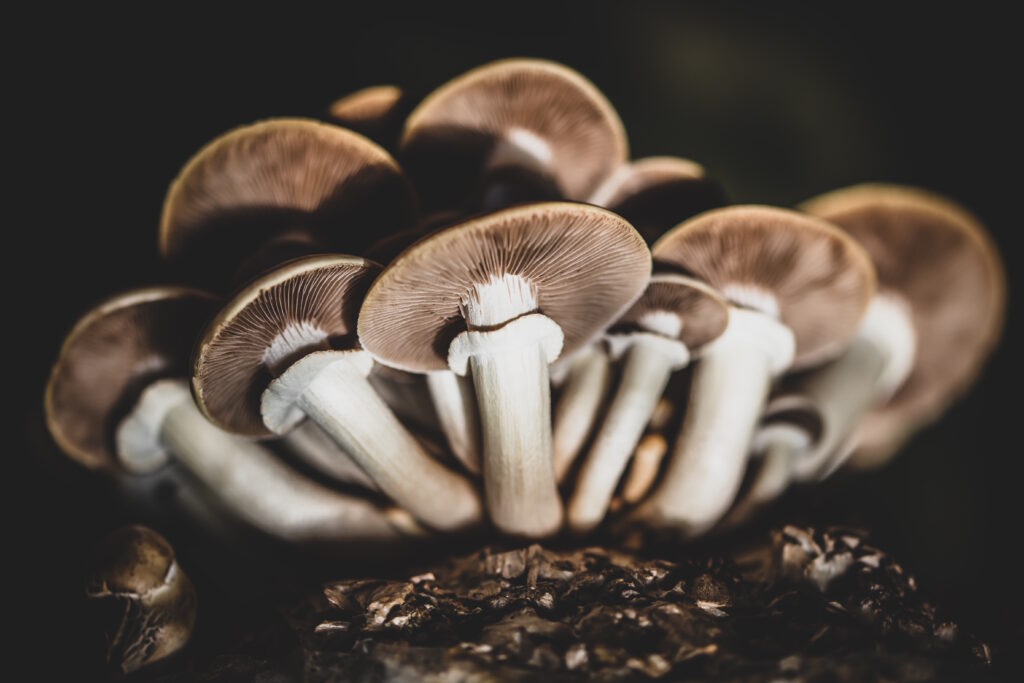
The Pioppino mushroom, also known as Agrocybe aegerita, is a popular edible fungus characterised by its rich, earthy flavour and meaty texture. It typically grows in clusters on decaying wood, especially in the autumn months. The caps are brown to dark brown, with a smooth surface and a convex shape that flattens as it matures. Pioppino mushrooms are highly nutritious, offering a good source of protein, fibre, and essential vitamins. They are commonly used in various culinary dishes, adding depth to soups, stir-fries, and risottos.
Where is the natural habitat for Pioppino mushroom?
The natural habitat for Pioppino mushrooms (Agrocybe aegerita) is typically found in warm, humid environments, often growing on decaying wood, particularly poplar trees. They can also be found in forests, woodlands, and areas with rich organic matter.
Nutritional Profile of Pioppino mushroom?
Pioppino mushrooms, also known as Black Poplar mushrooms, are low in calories and provide a range of nutrients. A typical serving (100g) contains approximately: – Calories: 35
– Protein: 3.2g
– Fat: 0.5g
– Carbohydrates: 7.0g
– Dietary Fibre: 2.5g
– Sugars: 1.0g
– Vitamin D: 0.1µg
Potassium: 300mg
– Calcium: 18mg
– Iron: 0.5mg
They are also a source of antioxidants and various B vitamins, contributing to overall health.
Health Benefits of Pioppino mushroom?
Pioppino mushrooms are known for their health benefits, which include: **Rich in Nutrients**: High in protein, vitamins (especially B vitamins), and minerals like selenium and copper. **Antioxidant Properties**: Contains antioxidants that help combat oxidative stress and reduce inflammation. **Immune Support**: May enhance immune function due to the presence of polysaccharides. **Heart Health**: Can contribute to cardiovascular health by improving cholesterol levels and promoting healthy blood circulation. **Digestive Health**: High in dietary fibre, which supports digestive health and regularity. **Weight Management**: Low in calories and fat, making them a healthy addition to a balanced diet. Incorporating pioppino mushrooms into meals can contribute to overall health and well-being.
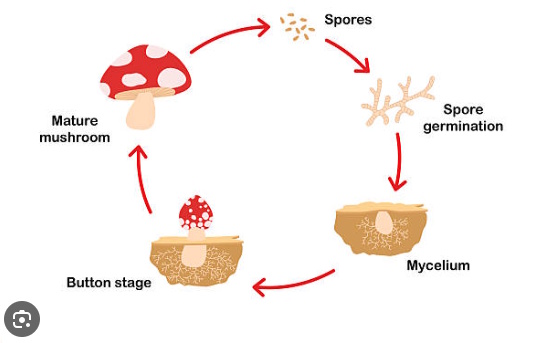
Remember the grow cycle for mushrooms & How we amend it to cultivate! Click here
How do I grow Pioppino mushroom ?
Obtain Pioppino mushroom spawn from a reputable supplier. Prepare a suitable substrate, such as hardwood sawdust or straw, ensuring it is clean and free from contaminants. Sterilise the substrate by using steam or pressure cooking to eliminate any unwanted microbes. Allow the substrate to cool before inoculating it with the Pioppino spawn. Mix the spawn thoroughly into the substrate in a clean environment. Place the inoculated substrate into containers or bags with air holes for ventilation. Store the containers in a dark, humid environment at 20-24°C (68-75°F) for colonisation. After 2-3 weeks, when the substrate is fully colonised, move it to a fruiting chamber with increased humidity and light. Maintain temperatures between 15-20°C (59-68°F) and keep the humidity high. Harvest the mushrooms when caps begin to open, typically within a week or two. Ensure to maintain hygiene throughout the process to prevent contamination.
Remember with all mushrooms!! There can be side effects with all mushrooms
Consuming mushrooms can lead to adverse effects if not properly prepared. Individuals with mushroom allergies should exercise caution due to the risk of allergic reactions. Improperly cooked Mushrooms may cause digestive issues, such as stomach pain or upset. Consuming unidentified mushrooms poses a significant risk of toxicity and should be avoided.
For those interested in growing pioppino mushrooms, understanding their growing conditions is crucial for successful cultivation.
In recent years, the popularity of growing pioppino mushrooms has surged, leading to increased interest in their cultivation both at home and on a commercial scale. Mycelium cultivation techniques have advanced significantly, allowing enthusiasts to produce these delicious mushrooms with relative ease. Understanding the intricacies of growing pioppino mushrooms can lead to a rewarding experience, both in terms of yield and flavour.
The unique flavour profile of growing pioppino mushrooms sets them apart in culinary applications. Their rich, earthy taste complements a wide variety of dishes, from traditional Italian cuisine to Asian stir-fries. For example, adding sautéed growing pioppino mushrooms to risotto elevates the dish, while their texture can enhance the satisfaction of a simple pasta dish.
Moreover, pioppino mushrooms can be incorporated into vegetarian and vegan diets, serving as a substantial protein source. Their hearty texture and umami flavour make them an excellent meat substitute in various recipes, such as burgers or tacos. Experimenting with pioppino mushrooms can open up new culinary possibilities and contribute to a diverse and healthy diet.
When discussing the habitat of pioppino mushrooms, it’s essential to note their preference for specific environmental conditions. They thrive in areas with high humidity and moderate temperatures, which is why they are often found in woods with decaying logs and organic matter. This preference for poplar trees highlights the relationship between pioppino mushrooms and their natural ecosystem, providing a glimpse into their ecological importance.
The nutritional profile of pioppino mushrooms is particularly noteworthy. They are not only low in calories but also rich in essential nutrients that can support overall health. For instance, the presence of various B vitamins plays a crucial role in energy metabolism, while potassium contributes to healthy blood pressure levels. Including pioppino mushrooms in a balanced diet can offer significant health benefits, making them a valuable addition to any meal plan.
Furthermore, the health benefits associated with pioppino mushrooms extend beyond their basic nutritional content. Research suggests that the antioxidants found in pioppino mushrooms may help protect cells from damage caused by free radicals. This protective effect can contribute to reducing the risk of chronic diseases, such as heart disease and cancer. Thus, incorporating pioppino mushrooms into your diet can be a proactive step towards maintaining long-term health.
When growing pioppino mushrooms, it is crucial to monitor the environmental conditions closely. Factors such as humidity, temperature, and airflow can significantly influence the success of your mushroom cultivation. Keeping a consistent environment will help ensure the healthy growth of your mushrooms, ultimately leading to a more abundant harvest. Many growers find that creating a dedicated growing space, such as a small greenhouse or a controlled indoor environment, can yield the best results.
It’s also worth noting that patience is key when cultivating pioppino mushrooms. The entire growth cycle can take several weeks, and proper care must be taken during the colonisation and fruiting stages. Ensuring that your substrate remains moist but not overly saturated will promote healthy growth and reduce the risk of contamination. Additionally, maintaining cleanliness throughout the process will help protect your mushrooms from pests and diseases.
As you embark on your journey of growing pioppino mushrooms, consider experimenting with various growing techniques. For example, some growers have had success using different substrates, such as coffee grounds or agricultural waste, which can provide alternative nutrient sources for the mushrooms. This exploration can lead to discovering the best methods suited to your specific growing conditions and preferences.
As with any edible mushrooms, caution is essential when foraging or consuming pioppino mushrooms. Proper identification is crucial to avoid the risk of misidentifying toxic species. If you’re unsure about the safety of a particular mushroom, consult an expert or consider purchasing from reputable suppliers to ensure you enjoy the health benefits of pioppino mushrooms without the associated risks.
Finally, the growing interest in sustainable practices has also influenced the cultivation of pioppino mushrooms. Many growers are now adopting eco-friendly methods that minimise waste and environmental impact. This can include using recycled materials for substrates or implementing sustainable harvesting practices. By choosing to cultivate pioppino mushrooms sustainably, you contribute to a healthier planet while enjoying the many benefits these mushrooms offer.
In conclusion, pioppino mushrooms represent not just a source of nutrition but also a fascinating aspect of the culinary world. Their remarkable flavour, impressive health benefits, and the rewarding experience of growing them make pioppino mushrooms a worthwhile consideration for any food enthusiast or health-conscious individual. Embracing the cultivation of pioppino can enrich your culinary journey and foster a deeper appreciation for these extraordinary fungi.