 Come See the Farm
 Our Shop
Is the Pink oyster mushroom edible?
In this comprehensive guide, we will explore everything you need to know about Growing Pink Oyster mushrooms, including their nutritional benefits, cultivation techniques, and care requirements, providing you with the information necessary to successfully grow these vibrant fungi.
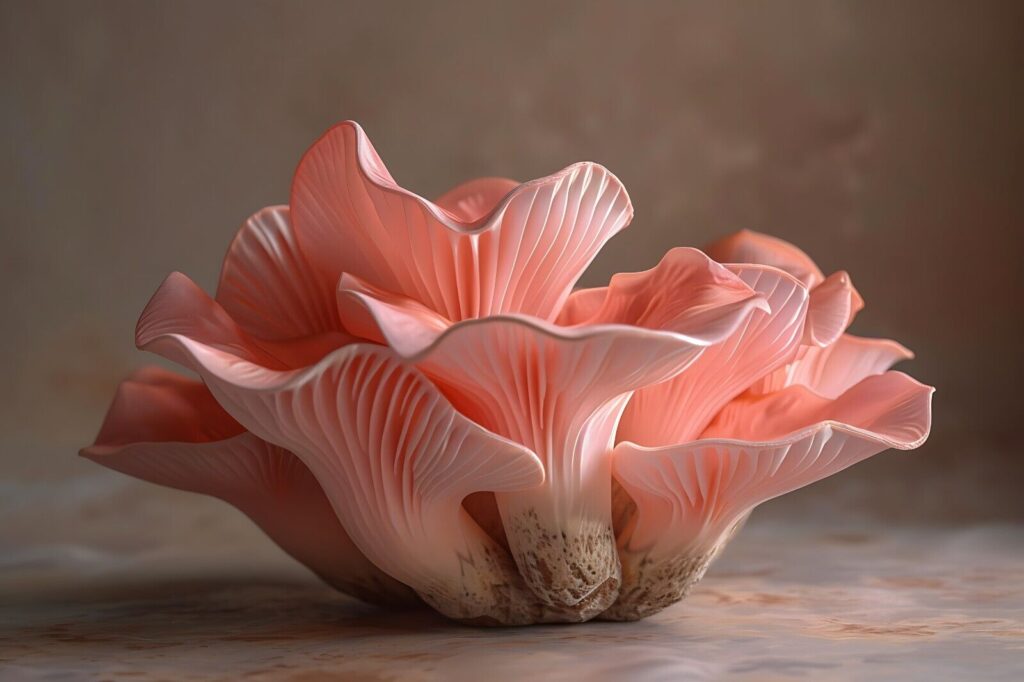
Indeed, the pink oyster mushroom is edible and is renowned for its delicate flavour and meaty texture, making it a preferred choice for culinary enthusiasts and a fantastic option for those interested in Growing Pink Oyster mushrooms at home or commercially.
How do I know when my Pink oyster mushrooms are ready?
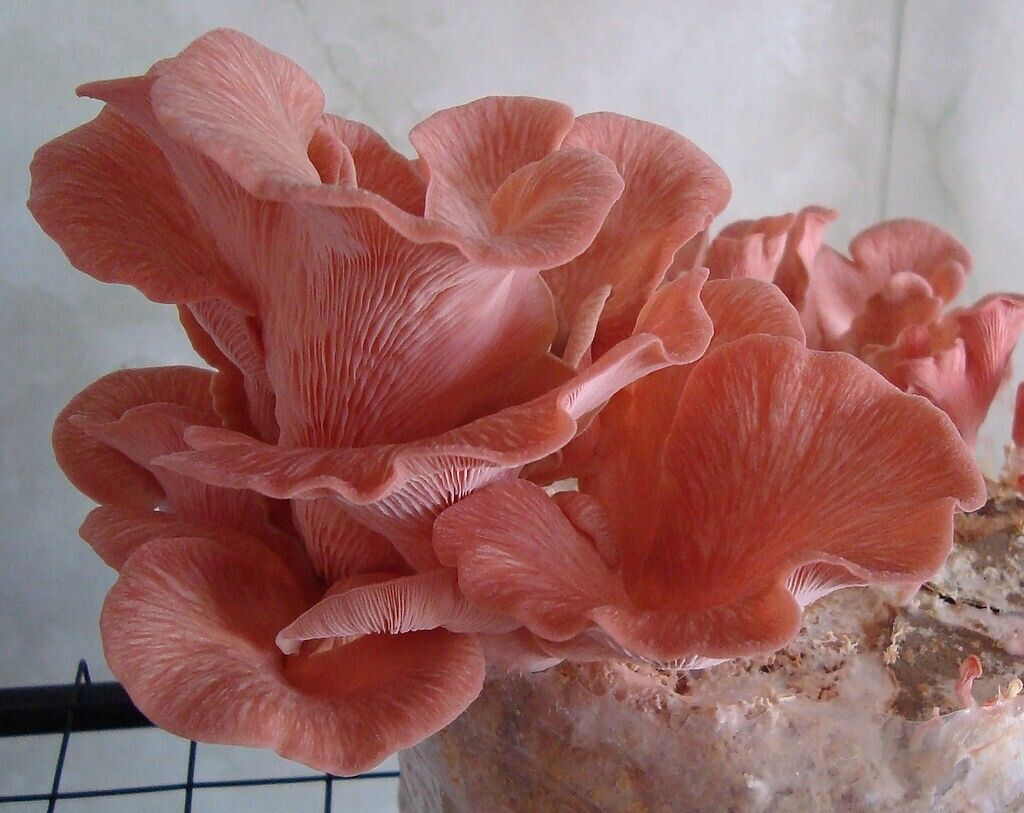
Pink oyster mushrooms are ready to harvest when the caps are fully expanded, bright pink in colour, and have a slightly curled edge. Ideally, they should be around 5 to 10 cm in diameter. It is crucial to harvest before the caps begin to flatten out or turn dull, as this can affect their flavour and texture. Regular checks during the growing phase will help you identify the optimal time for harvesting.
How do I grow Pink Oyster Mushrooms?
To grow Pink Oyster mushrooms successfully, first obtain Pink Oyster Mushroom spawn from a reputable supplier. Prepare a suitable substrate, such as straw or sawdust, and pasteurise it to eliminate any potential contaminants. After allowing the substrate to cool, mix in the mushroom spawn thoroughly, ensuring even distribution. Place the mixture in clean plastic bags or containers, ensuring they have holes for air exchange. Incubate the setup in a dark, warm environment (20-24°C) for about 10-14 days until it is fully colonised. Once colonisation is complete, transition to a fruiting chamber that maintains high humidity (85-90%) along with good air circulation. Maintain a temperature of 15-20°C and expose the mushrooms to indirect light for approximately 12 hours daily. Regular misting of the environment is necessary to keep humidity levels up. You will know they are ready to harvest when the caps are fully developed but not yet flattening out.
Where is the natural habitat for Pink Oyster Mushrooms?
Pink oyster mushrooms (Pleurotus djamor) thrive naturally in tropical and subtropical regions. They are commonly found on decaying hardwood trees, fallen branches, and logs. Preferring warm temperatures and high humidity, they often inhabit rainforests and woodlands. Understanding their natural habitat can aid growers in replicating the conditions necessary for successful cultivation. Additionally, pink oyster mushrooms can be grown on a variety of organic materials, which enhances their versatility in cultivation.
Mushroom Grow Cycle!
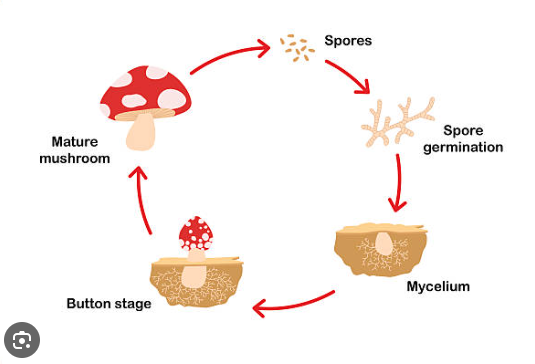
Remember the growth cycle for mushrooms and how we amend it to cultivate effectively! Understanding the full lifecycle from spore to mature mushroom is essential for optimising yields. This knowledge allows growers to adapt their methods and respond to the specific needs of Pink Oyster mushrooms throughout their growth phases. Click here for an in-depth look at the mushroom growth cycle and cultivation techniques.
Remember with all mushrooms!! There can be side effects with all mushrooms
Conclusion: Embracing the Journey of Growing Pink Oyster Mushrooms
In conclusion, Growing Pink Oyster mushrooms can be a rewarding experience, from cultivation to culinary delights. With their unique flavour, impressive health benefits, and sustainable growing practices, they are an excellent choice for both novice and experienced mushroom cultivators. By following the steps outlined in this guide, you can embark on your own journey of mushroom cultivation and enjoy the fruits of your labour in the kitchen. Happy growing!
Sustainability and Growing Pink Oyster Mushrooms
Growing Pink Oyster mushrooms can be a sustainable practice, especially when using waste materials such as coffee grounds or agricultural by-products as substrates. This not only reduces waste but also promotes a circular economy. Home cultivation requires minimal space and can be done indoors or outdoors, making it accessible for urban dwellers. By growing your own mushrooms, you can ensure they are fresh and free from pesticides, contributing to a healthier lifestyle.
Health Benefits of Pink Oyster Mushrooms
These mushrooms are not only delicious but also packed with nutrients. They are a good source of protein, vitamins, and minerals, including B vitamins, vitamin D, potassium, and iron. Additionally, they contain antioxidants that may help combat oxidative stress in the body. Regular consumption of pink oyster mushrooms may support immune function, reduce inflammation, and provide essential nutrients that contribute to overall health. Incorporating them into a balanced diet can be beneficial for both flavour and nutritional value.
The Culinary Uses of Pink Oyster Mushrooms
Pink oyster mushrooms are not only visually stunning but also versatile in the kitchen. Their unique flavour profile allows them to enhance various dishes, including stir-fries, soups, and pasta. They can be sautéed, grilled, or even used as a meat substitute in vegetarian and vegan recipes. When cooked, their texture becomes pleasantly chewy, making them a delightful addition to numerous meals. Additionally, they can be dried and rehydrated for later use, preserving their flavours for future dishes.
Consuming mushrooms can lead to adverse effects if not properly prepared. Those with mushroom allergies should exercise caution due to the risk of allergic reactions. Improperly cooked mushrooms may cause digestive issues, such as stomach pain or upset. Additionally, consuming unidentified mushrooms poses a significant risk of toxicity and should be avoided. It’s essential to educate oneself on safe mushroom consumption and preparation methods to minimise any potential risks.