 Come See the Farm
 Our Shop
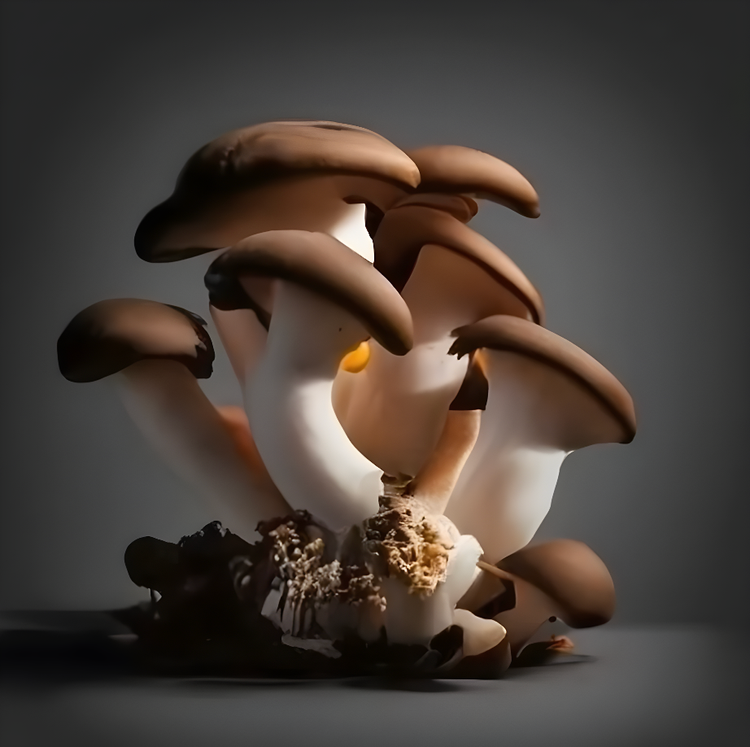
What is the scientific name for Black Pearl King Oyster Mushrooms ?
The Black Pearl King Oyster Mushroom’s scientific name is Pleurotus ostreatus var. eryngii.
Where is the natural habitat for Black Pearl King Oyster?
The natural habitat for Black Pearl King Oyster mushrooms (Pleurotus ostreatus var. columbinus) is typically found in temperate forests, particularly on decaying hardwoods such as oak, beech, and maple. They thrive in humid, shaded environments with moderate temperatures.
Black Pearl King Oyster mushrooms prefer growing in regions with adequate rainfall and moderate temperatures. These mushrooms are known for their unique appearance and meaty texture when cooked.
Cultivating Black Pearl King Oyster mushrooms requires specific growing conditions to ensure a successful harvest. Commercially, these mushrooms are becoming increasingly popular due to their culinary versatility and nutritional benefits.
In addition to their culinary uses, Black Pearl King Oyster mushrooms are also valued for their potential health benefits.
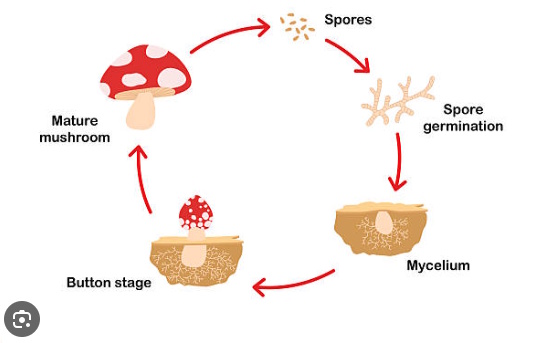
Mushroom Grow Cycle!
Remember the grow cycle for mushrooms & how we amend it to cultivate! Click here
What are the best conditions to grow Black Pearl King Oyster Mushroom ?
Black Pearl King plants thrive in well-drained soil with a pH of 6.0 to 7.0. They require full sun to partial shade and prefer temperatures between 20-30°C.
Regular watering is essential, allowing the soil to dry slightly between waterings. Fertilise with a balanced fertiliser during the growing season.
Ensure good air circulation to prevent disease.
How do I grow Black Pearl King Oyster Mushroom ?
To grow Black Pearl King Oyster Mushrooms, follow these steps:
Obtain Spawn: Purchase high-quality Black Pearl King Oyster mushroom spawn from a reputable supplier.
Select Substrate: Use a suitable substrate such as hardwood sawdust, straw, or a mix. Ensure it is free from contaminants.
Prepare the Substrate: Sterilise or pasteurise the substrate to eliminate any competing organisms. This can be done by boiling, steaming, or using a pressure cooker.
Inoculate: Once cooled, mix the mushroom spawn into the substrate in a clean environment to prevent contamination.
Container: Place the inoculated substrate into suitable containers (e.g., grow bags or jars) with ventilation holes.
Incubation: Store the containers in a dark, warm environment (around 20-24°C) for 2-3 weeks, allowing mycelium to colonise the substrate.
Fruiting Conditions: After colonisation, move the containers to a fruiting environment with high humidity (85-95%), good air circulation, and indirect light.
Harvesting: Monitor the growth and harvest the mushrooms when they reach the desired size, usually 7-14 days after the pins appear.
Repeat: After harvesting, you can often get additional flushes from the same substrate.
Storage: Store harvested mushrooms in a cool, dry place to maintain freshness. Ensure to maintain cleanliness throughout the process to avoid contamination.
What are the health benefits of Black Pearl King Oyster Mushroom ?
Black Pearl King Oyster Mushrooms are rich in nutrients and offer several health benefits, including:
- High in Antioxidants: Helps combat oxidative stress and may reduce the risk of chronic diseases.
- Supports Immune Function: Contains compounds that may enhance immune response.
- Rich in Dietary Fibre: Aids digestion and promotes gut health.
- Low in Calories: Can be a healthy addition to meals without adding excess calories.
- Source of Vitamins and Minerals: Provides essential nutrients like B vitamins, potassium, and selenium.
- Potential Anti-Inflammatory Properties: May help reduce inflammation in the body.
- Supports Heart Health: Contains compounds that may help lower cholesterol levels.
Incorporating Black Pearl King Oyster Mushrooms into your diet can contribute to overall health and well-being.
Remember with all mushrooms!! There can be side effects with all mushrooms
Consuming mushrooms can lead to adverse effects if not properly prepared. Individuals with mushroom allergies should exercise caution due to the risk of allergic reactions.
More information on oyster mushrooms can be found at:
https://en.wikipedia.org/wiki/Pleurotus_ostreatus