 Our Shop
Is the Blue Oyster Mushroom edible?
Yes, the Blue Oyster Mushroom is edible. It has a delicate flavour and a soft, velvety texture that makes it a popular choice in various dishes. Often used in stir-fries, soups, and pasta, it can enhance the overall taste of a meal. Additionally, it is rich in nutrients, providing a good source of protein, vitamins, and minerals. When cooked, the Blue Oyster Mushroom retains its vibrant colour and adds visual appeal to culinary creations. Always ensure that mushrooms are sourced from reputable suppliers to avoid any potential toxicity.
How do I know when my Blue oyster mushrooms are ready?
Blue oyster mushrooms are ready to harvest when the caps are fully opened, the edges are slightly curled, and they are a vibrant blue-grey colour. It’s best to pick them before the caps begin to flatten completely or turn brown.
How do I grow Blue Oyster Mushrooms?
Obtain a suitable substrate such as straw, sawdust, or coffee grounds. Pasteurise the substrate to eliminate contaminants. Inoculate the substrate with blue oyster mushroom spawn in a clean environment. Place the inoculated substrate in a container with ventilation holes. Maintain a temperature of 20-24°C (68-75°F) for colonisation. Once fully colonised, move to a fruiting environment with higher humidity (85-90%) and lower temperatures (16-21°C or 60-70°F). Provide indirect light and fresh air to encourage fruiting. Harvest mushrooms when caps begin to flatten out.
Where is the natural habitat for Blue Oyster Mushrooms?
The natural habitat for Blue Oyster Mushrooms (Pleurotus ostreatus var. columbinus) is typically found in decaying hardwoods, such as oak, beech, and maple, often in moist, shaded forest areas. They can also grow on wood chips and sawdust in cultivated environments.
Mushroom Grow Cycle! Growing Blue Oyster Mushrooms
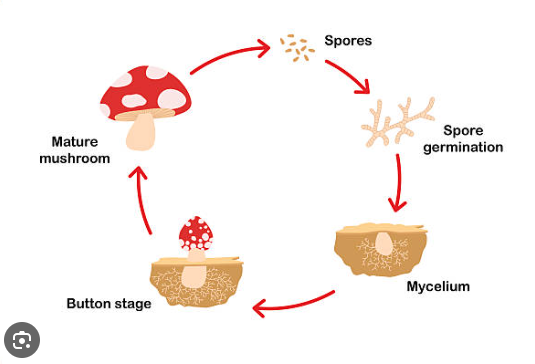
Remember the growth cycle for mushrooms and how we amend it to cultivate effectively! Understanding the full lifecycle from spore to mature mushroom is essential for optimising yields. This knowledge allows growers to adapt their methods and respond to the specific needs of Pink Oyster mushrooms throughout their growth phases. Click here for an in-depth look at the mushroom growth cycle and cultivation techniques.
Remember with all mushrooms!! There can be side effects with all mushrooms
The Culinary Uses of Blue Oyster Mushrooms
Blue oyster mushrooms are versatile in culinary applications. They can be sautéed, stir-fried, grilled, or added to soups and stews. Their mild, slightly sweet flavour pairs well with a variety of ingredients, including garlic, onions, and herbs. They are excellent in pasta dishes, risottos, and as a topping for pizzas. Additionally, they can be used in vegetarian dishes as a meat substitute due to their chewy texture. For optimal flavour, cook them quickly over high heat.
Growing Blue Oyster Mushrooms
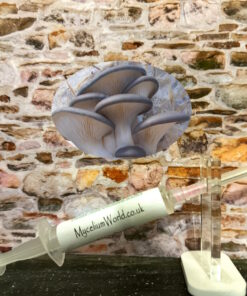

Blue Oyster Mushrooms
10ml Blue Oyster Mushrooms Specialist Range Liquid Mycelium Culture / Seed

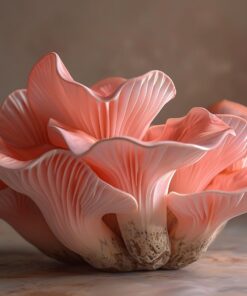
Pink Oyster Mushrooms
10ml Pink Oyster Mushrooms Specialist Range Liquid Culture Mycelium /Seed