 Our Shop
Introduction
Oyster mushrooms, belonging to the genus Pleurotus, are among the most widely cultivated and consumed mushrooms worldwide. Renowned for their unique flavor, delicate texture, and nutritional benefits, they have garnered significant attention among food enthusiasts and culinary professionals alike. Understanding the growth times and fruiting success of various oyster mushroom strains is crucial for both amateur and commercial growers to optimize yield and quality.
This article delves into the different strains of oyster mushrooms, their growth times, and factors influencing their fruiting success. Additionally, it offers guidance on best practices for cultivation. By the end of this discussion, readers will have a comprehensive understanding of how to grow oyster mushrooms effectively, maximizing both time and yield.
The Different Strains of Oyster Mushrooms
Common Strains and Their Characteristics
There are several common strains of oyster mushrooms, each with unique characteristics that can influence cultivation. The two most popular strains are the Pearl Oyster (Pleurotus ostreatus) and the King Oyster (Pleurotus eryngii). The Pearl Oyster is known for its delicate flavor and is often characterized by its fan-shaped cap and short stem. King Oyster mushrooms, on the other hand, are recognized for their meaty texture and larger size, making them a favorite among chefs for various culinary applications.
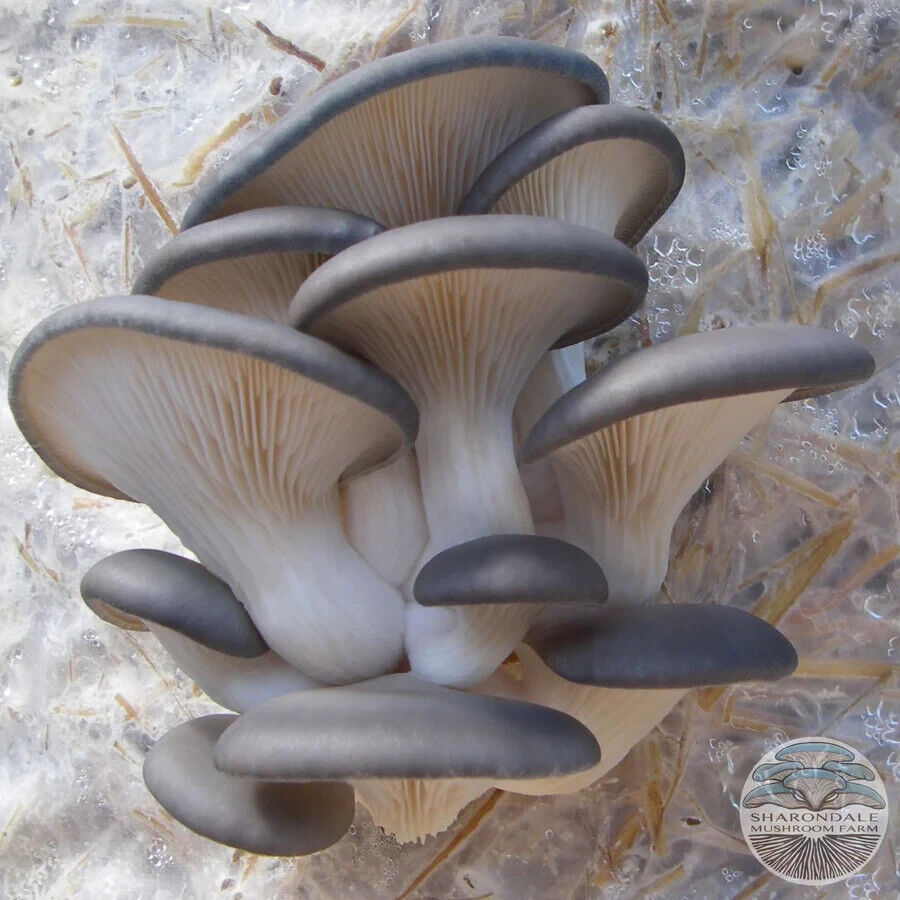
Other notable strains include the Blue Oyster (Pleurotus columbinus), which can exhibit a bluish tint and has a slightly more robust flavor, and the Pink Oyster (Pleurotus djamor), known for its striking color and unique taste. Each strain has its specific growing conditions and timeframes, which are important for effective cultivation.
Comparison of Strains
When comparing oyster mushroom strains, several factors come into play, including growth rate, flavor profile, and optimal growing conditions. For instance, the King Oyster typically takes longer to mature than the Pearl Oyster, making it less suitable for growers seeking rapid turnover. However, the King Oyster’s substantial size and flavor can justify the extended growth period.
Another aspect to consider is the adaptability of each strain to different substrates. While many oyster mushrooms thrive on straw and sawdust, some strains are more versatile and can grow on a variety of organic materials. Understanding these differences can help growers choose the best strain based on their available resources and desired outcomes.
Growth Times for Oyster Mushroom Strains
Factors Influencing Growth Times
Growth times for oyster mushrooms can vary significantly based on several factors. Temperature is one of the most critical elements; most oyster mushroom strains prefer a temperature range between 20°C and 30°C (68°F to 86°F) for optimal growth. Additionally, humidity levels, substrate quality, and air circulation play vital roles in determining how quickly mushrooms mature.
Light exposure also affects growth, albeit indirectly. While oyster mushrooms do not require light for mycelium colonization, light is essential for fruiting. A proper light cycle can encourage faster fruit development and better overall growth. Finally, strain genetics will inevitably influence growth times; some strains are naturally faster than others due to inherent biological differences.
Average Growth Times for Popular Strains
On average, the growth times for popular oyster mushroom strains can be categorized as follows:
| Strain | Time to Colonization | Time to Fruiting | Total Time |
|---|---|---|---|
| Pearl Oyster | 10-14 days | 7-10 days | 17-24 days |
| King Oyster | 14-21 days | 10-14 days | 24-35 days |
| Blue Oyster | 10-14 days | 7-10 days | 17-24 days |
| Pink Oyster | 7-10 days | 5-8 days | 12-18 days |
As illustrated, the Pearl and Blue Oysters tend to have the shortest total growth times, making them favored choices for those seeking quicker results. Meanwhile, the King Oyster requires a longer period, which can be offset by its superior texture and flavor, appealing to gourmet markets.
Fruiting Success Rates
Understanding Fruiting Conditions
The success of fruiting is influenced by a multitude of conditions, including temperature, humidity, and light exposure. For oyster mushrooms to fruit successfully, the environment should typically maintain a humidity level of 85% to 95%. This is especially crucial during the pinning phase when the tiny mushrooms begin to form. If humidity levels drop too low, it can lead to poor fruit development or aborting of the pins.
Temperature also plays a significant role. Most oyster mushrooms fruit best between 15°C and 20°C (59°F to 68°F). Sudden fluctuations in temperature can stress the mycelium, negatively impacting the fruiting process. Additionally, providing supplemental light for around 12 hours a day can stimulate fruiting, encouraging the development of healthy and robust mushrooms.
Success Rates Among Different Strains
The success rates of fruiting can differ by strain, with some being more resilient to varying environmental conditions than others. For example, the Pearl Oyster is known for its high success rate in diverse conditions, making it a favourite for beginners. In contrast, King Oysters may require more specific conditions to achieve optimal fruiting, resulting in a lower success rate for novice growers.
According to various studies, the fruiting success rates can range from 70% to 90% for well-managed environments. Strains like the Pink Oyster often exhibit even higher rates due to their adaptability and faster growth, while King Oysters may fall in the 60% to 80% range if conditions are not carefully controlled.
Best Practices for Cultivating Oyster Mushrooms
Optimal Growing Conditions
Creating optimal growing conditions is essential for successful oyster mushroom cultivation. First, selecting a suitable substrate is critical. Oyster mushrooms thrive on a variety of materials, including straw, sawdust, coffee grounds, and even agricultural waste. The substrate must be properly pasteurized or sterilized to eliminate any competing organisms.
Next, maintaining stable environmental conditions is crucial. This involves monitoring temperature and humidity levels regularly. A humidity-controlled environment such as a fruiting chamber can help regulate these factors. Ensuring adequate ventilation will also prevent the build-up of carbon dioxide, which can inhibit growth.
Tips for Enhancing Fruiting Success
To enhance the chances of successful fruiting, growers should consider employing techniques such as casing. Casing involves covering the colonized substrate with a layer of moist material, such as peat moss, which helps retain moisture and provides a microenvironment conducive to fruiting. Regular misting can also aid in maintaining humidity levels, especially during the crucial pinning stage.
Another strategy includes the use of light. Providing a period of light exposure can signal to the mycelium that it is time to fruit. This can be achieved using fluorescent or LED lights positioned at appropriate distances to avoid overheating. Additionally, monitoring for pests and diseases is vital to ensure a healthy crop. Implementing integrated pest management strategies can safeguard the mushrooms from unwanted infestations.
Conclusion
Summary of Key Findings
This comprehensive review of oyster mushroom strains, their growth times, and fruiting success highlights the importance of selecting the right strain and understanding the factors affecting their cultivation. Factors such as temperature, humidity, and substrate choice play a significant role in determining growth rates and fruiting success. By adhering to best practices, growers can significantly enhance their outcomes, ensuring a fruitful harvest.
Final Thoughts on Oyster Mushroom Cultivation
Oyster mushroom cultivation offers a rewarding endeavor for both hobbyists and commercial growers. By familiarizing oneself with the different strains and their specific needs, as well as implementing optimal growing practices, anyone can successfully grow these delectable fungi. As the popularity of mushrooms continues to rise, understanding how to cultivate them efficiently will become increasingly valuable.
FAQs
What is the best substrate for growing oyster mushrooms?
Oyster mushrooms can grow on various substrates, with straw, sawdust, and coffee grounds being the most popular options. The choice of substrate can affect growth speed and yield.
How long does it take to grow oyster mushrooms from start to finish?
Depending on the strain and conditions, oyster mushrooms typically take between 17 to 35 days from inoculation to harvest.
Can I grow oyster mushrooms indoors?
Yes, oyster mushrooms can be successfully grown indoors, provided that the grower can maintain the appropriate temperature, humidity, and light conditions.
What factors contribute to the failure of mushroom cultivation?
Common factors that can lead to failure include improper sterilization of the substrate, inadequate humidity and temperature control, and pest infestations.
Are oyster mushrooms healthy to eat?
Yes, oyster mushrooms are low in calories and high in nutrients. They contain essential vitamins, minerals, and antioxidants, making them a healthy addition to any diet.