 Our Shop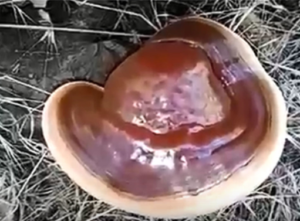
I. Introduction
The Red Reishi mushroom, known scientifically as Ganoderma lucidum, has captivated health enthusiasts and traditional medicine practitioners for centuries. This medicinal fungus, often referred to as the mushroom of immortality, has been revered in Eastern medicine for its wide-ranging health benefits. This article aims to explore the exceptional health benefits of Red Reishi, its nutritional profile, cultivation techniques, and real-world implications of its use, thereby providing a comprehensive understanding of its significance in both historical and modern contexts.
Ganoderma lucidum has been an integral part of traditional Chinese medicine, where it is used to enhance health and longevity. Its role in supporting bodily functions has led to increased interest in its cultivation and application in contemporary health practices. The purpose of this case study is to highlight the myriad health benefits associated with Red Reishi, discuss optimal cultivation methods, and present personal testimonials and clinical findings that underline its importance.
II. Health Benefits of Red Reishi Mushroom
A. Immune System Support
One of the primary health benefits of the Red Reishi mushroom is its ability to bolster the immune system. Research indicates that compounds like triterpenes and polysaccharides found in Ganoderma lucidum stimulate the production of immune cells, enhancing the body’s defense mechanisms. These components can assist in the activation of T-cells, which play a crucial role in immune response, thus providing a formidable defense against pathogens.
Moreover, its adaptogenic properties help the body adapt to stress, which is essential for maintaining a robust immune system. The reduction of stress can prevent immune suppression, leading to optimal health and resilience against diseases. Clinical studies have shown that regular consumption of Red Reishi can lead to a significant increase in immunity levels, promoting overall health and well-being.
B. Anti-inflammatory Properties
Chronic inflammation is a common underlying factor in many health conditions, including heart disease, diabetes, and autoimmune disorders. Red Reishi mushroom has demonstrated potent anti-inflammatory effects, primarily due to the presence of triterpenoids and other bioactive compounds. These substances inhibit the production of inflammatory markers in the body, effectively reducing inflammation and associated symptoms.
Regular intake of Ganoderma lucidum can be particularly beneficial for individuals suffering from chronic inflammatory diseases. Several studies have documented a decrease in inflammation levels among participants who incorporated Red Reishi into their dietary regimen, supporting its therapeutic potential.
C. Stress and Anxiety Reduction
In an era marked by heightened stress levels, the calming effects of Red Reishi mushroom are particularly noteworthy. The adaptogenic qualities of this fungus help balance hormones related to stress and anxiety, promoting relaxation and mental clarity. Research has shown that compounds within the mushroom can influence neurotransmitter levels, effectively alleviating symptoms of anxiety and promoting a sense of calm.
Individuals who regularly consume Red Reishi may experience improved sleep quality and reduced fatigue, further contributing to their mental and emotional well-being. As stress is a known factor in various health issues, incorporating this mushroom into one’s diet can serve as a natural strategy for managing stress and enhancing overall resilience.
D. Antioxidant Effects
Antioxidants play a crucial role in protecting the body from oxidative stress, which can lead to cellular damage and aging. Red Reishi mushroom is rich in antioxidant compounds, including polysaccharides, flavonoids, and triterpenes, which collectively combat free radicals in the body. By neutralizing these harmful substances, Ganoderma lucidum helps maintain cellular health and prevents chronic diseases associated with oxidative damage.
Incorporating Red Reishi into a balanced diet can significantly enhance antioxidant levels in the body, which may reduce the risk of developing conditions such as cancer, cardiovascular diseases, and neurodegenerative disorders. Studies indicate that regular consumption leads to a measurable increase in antioxidant activity, underscoring its potential as a health-promoting food.
E. Potential Cancer-fighting Properties
Research into the anticancer properties of Red Reishi mushroom has yielded promising results. Compounds such as beta-glucans and triterpenes have been linked to the inhibition of tumor growth and metastasis. These elements are believed to modulate the immune response, enhancing the body’s ability to target and destroy cancer cells while promoting apoptosis (programmed cell death) in malignant cells.
While more extensive clinical trials are necessary to definitively establish these effects, preliminary studies indicate that Ganoderma lucidum may serve as a complementary treatment for various types of cancer. Patients incorporating Red Reishi into their treatment regimens have reported improved quality of life and better management of side effects associated with cancer therapies.
III. Nutritional Profile of Red Reishi Mushroom
A. Key Nutrients
The nutritional profile of Red Reishi mushroom is exceptionally rich, making it a valuable addition to any health-conscious diet. It contains essential vitamins and minerals, including vitamin D, B vitamins, potassium, and magnesium. These nutrients play various essential roles in maintaining overall health, from supporting metabolic processes to ensuring proper nerve function and muscle contraction.
Additionally, Red Reishi is low in calories and high in dietary fiber, making it a nutrient-dense food that can contribute to a balanced diet without compromising caloric intake. This combination of essential nutrients supports various bodily functions and contributes to the mushroom’s health-promoting properties.
B. Bioactive Compounds
Red Reishi is particularly renowned for its bioactive compounds, which are primarily responsible for its therapeutic effects. The most notable among these are polysaccharides, which enhance immune function and exhibit antioxidant effects. Triterpenes, on the other hand, contribute to the mushroom’s anti-inflammatory properties and have been studied for their potential in reducing cancer risk.
Other significant bioactive compounds include ergosterol, which has been shown to possess cholesterol-lowering properties, and ganoderic acid, known for its sedative effects. These compounds, when combined, create a powerful synergy that enhances the overall health benefits of Ganoderma lucidum, making it a sought-after supplement in the realm of natural health.
C. Comparisons with Other Medicinal Mushrooms
When compared to other medicinal mushrooms, Red Reishi stands out due to its unique combination of health benefits. While mushrooms like Chaga and Lion’s Mane also provide substantial health advantages, Red Reishi is particularly noted for its immune-boosting and stress-reducing properties. Chaga, for instance, is rich in antioxidants but lacks the same adaptogenic benefits that Reishi offers.
In terms of overall versatility and application within traditional medicine, Red Reishi is often regarded as the king of medicinal mushrooms. Its extensive use across various cultures and its incorporation into multiple health protocols further solidify its esteemed status among health enthusiasts.
IV. Cultivation Techniques of Red Reishi Mushroom
A. Suitable Growing Conditions
Cultivating Red Reishi mushrooms requires specific conditions to mimic their natural habitat. They thrive in humid, shaded environments, typically found in forests on decaying wood. When cultivating indoors, maintaining a temperature between 70-80°F (21-27°C) and a humidity level of 80-90% is essential. These conditions foster the growth of mycelium, the vegetative part of the fungus.
Choosing the right substrate is also crucial. Red Reishi mushrooms can be grown on a variety of substrates, including sawdust, straw, and logs. Each substrate has its advantages, with sawdust and straw being more common for commercial cultivation due to their availability and ease of use.
B. Substrate Preparation
The preparation of the substrate is a vital step in the cultivation process. For sawdust cultivation, the substrate must be pasteurized or sterilized to eliminate competing microorganisms. This can be achieved through steam sterilization or pressure cooking. Once the substrate is prepared, it is essential to inoculate it with high-quality spawn to ensure successful colonization by the mycelium.
Log cultivation requires cutting the logs at the right time of year (typically in late winter or early spring) and inoculating them with spores or plugs. The logs are then sealed with wax to prevent contamination and moisture loss, creating an ideal environment for the mushrooms to grow.
C. Inoculation Process
The inoculation process is critical for establishing healthy growth. After preparing the substrate, the next step is to introduce the spawn. This can be done by mixing spawn evenly throughout the substrate or drilling holes into logs and inserting spawn plugs. Adequate care must be taken during this stage to minimize contamination and ensure the mycelium can establish itself efficiently.
Following inoculation, the substrate should be placed in a controlled environment to promote mycelial growth. Regular monitoring of temperature, humidity, and CO2 levels is necessary for optimal growth. This careful attention to detail significantly enhances the chance of a successful harvest.
D. Maintenance and Harvesting
Once the mycelium has fully colonized the substrate, it’s essential to maintain optimal growing conditions. This includes providing adequate ventilation, ensuring proper moisture levels, and maintaining appropriate light exposure. Red Reishi mushrooms require indirect light to stimulate growth, as direct sunlight can be detrimental.
Harvesting typically occurs when the fruiting bodies reach maturity, evident by their size and color. Cutting the mushrooms at the base using a clean knife is recommended to prevent damage to the mycelium for future fruiting cycles. Proper post-harvest handling is vital to ensure the mushrooms maintain their quality and potency.
E. Common Challenges and Solutions
Cultivating Red Reishi mushrooms can present several challenges, including contamination and insufficient environmental conditions. Contamination by mold or bacteria is a common issue and can be mitigated by maintaining strict hygiene practices throughout the cultivation process. Using high-quality spawn and properly sterilizing substrates can also reduce contamination risks.
Another challenge is ensuring optimal humidity levels, as Red Reishi requires high humidity for successful growth. Using humidifiers and monitoring environmental conditions closely can help maintain suitable levels. Additionally, addressing issues like temperature fluctuations and airflow is essential for successful cultivation, necessitating a careful balance to optimize growth conditions.
V. Case Studies and Testimonials
A. Personal Stories from Health Enthusiasts
Many individuals have shared their experiences with Red Reishi mushrooms, highlighting significant improvements in health and well-being. Users report enhanced energy levels, better sleep quality, and reduced anxiety. Personal testimonies often emphasize the mushroom’s adaptogenic properties, which have helped them manage stress more effectively.
For example, one health enthusiast noted that after regularly consuming Red Reishi in tea form, they experienced reduced symptoms of fatigue and improved focus during the day. Such anecdotal evidence underscores the practical health benefits of incorporating this mushroom into daily routines.
B. Clinical Studies and Findings
Clinical studies have begun to validate the health claims surrounding Red Reishi. A study published in the Journal of Ethnopharmacology found that patients with chronic fatigue who supplemented with Ganoderma lucidum reported marked improvements in energy levels and overall vitality. Additionally, research has shown promising results regarding its potential impact on immune function and cancer treatment.
These findings are critical as they provide scientific backing to traditional claims, encouraging further research into the mushroom’s properties and applications. Ongoing studies continue to explore its therapeutic potential, paving the way for broader acceptance in modern medicine.
C. Community Impact of Cultivation
The cultivation of Red Reishi mushrooms has also had a positive impact on local communities. Individuals engaged in mushroom farming often experience economic benefits, from selling fresh mushrooms to creating value-added products like extracts and teas. This not only provides a source of income but also promotes sustainable agricultural practices.
In regions where traditional farming may be less viable, Red Reishi cultivation offers an alternative source of livelihood, contributing to food security and community resilience. Workshops and educational programs focused on mushroom cultivation have fostered skill development, empowering individuals to take control of their health and economic circumstances.
VI. Conclusion
A. Summary of Health Benefits
The exploration of Red Reishi mushroom has revealed its numerous health benefits, including immune support, anti-inflammatory effects, stress reduction, antioxidant properties, and potential cancer-fighting abilities. These factors make Ganoderma lucidum a highly regarded natural remedy within various health communities. Its rich nutritional profile further enhances its status as a superfood.
B. Importance of Sustainable Cultivation
As interest in Red Reishi continues to grow, the importance of sustainable cultivation practices cannot be overstated. Responsible farming methods can protect natural ecosystems while providing a reliable source of income and health benefits to communities. By prioritizing sustainability, we can ensure the longevity of this precious resource for future generations.
C. Future Directions for Research and Practice
Future research should focus on the long-term effects of Red Reishi consumption, its role in integrative health practices, and its potential applications in modern medicine. As clinical studies and personal testimonies accumulate, the acceptance of Red Reishi as a complementary health supplement is likely to increase, leading to a greater understanding of its benefits and applications.
VII. References
– Journal of Ethnopharmacology, 2021. Potential therapeutic effects of Ganoderma lucidum.
– International Journal of Medicinal Mushrooms, 2020. Red Reishi: A Review of its Medicinal Properties.
– Ancient Chinese Medicine Texts, The Applications of Ganoderma lucidum through History.
– Clinical Nutrition, 2022. Effects of Red Reishi on Immune Function in Humans.
– Mycology and Plant Pathology, 2020. Cultivation Techniques of Medicinal Mushrooms.
