 Our Shop
Exploring Oyster Mushrooms Flavours
Understanding the diverse oyster mushrooms flavours can enhance your culinary experience.
Introduction
Oyster mushrooms are renowned for their versatility, unique flavours, and impressive nutritional profile. Among the many varieties, King Oyster and Pink Oyster mushrooms stand out due to their distinct characteristics and culinary applications. In this article, we will conduct a comparative analysis of these two popular mushroom types, exploring their flavours, textures, culinary uses, health benefits, and more. Whether you are an entrepreneur in the food industry or a culinary enthusiast, understanding these mushrooms will enhance your culinary repertoire and business opportunities.
Overview of Oyster Mushrooms
Types of Oyster Mushrooms
Oyster mushrooms belong to the genus Pleurotus and are known for their fan-shaped caps and gills that run down the stem. The most common varieties include the Blue Oyster, Pink Oyster, and King Oyster mushrooms. Each type varies in color, size, and flavor, making them suitable for different culinary contexts. The King Oyster is the largest and is known for its meaty texture, while Pink Oysters are smaller and often highlighted for their vibrant color and delicate flavor.
Importance in Culinary Arts
Oyster mushrooms are celebrated not only for their culinary versatility but also for their ability to absorb flavors from other ingredients. They are often used in stir-fries, soups, and sauces, as well as in vegetarian and vegan dishes as a meat substitute. The unique textures and flavors of these mushrooms allow chefs to create a range of dishes that appeal to diverse palates.
King Oyster Mushrooms
Characteristics
King Oyster mushrooms (Pleurotus eryngii) are characterized by their thick, fleshy stems and large, curved caps that can reach up to 10 cm in diameter. They usually have a creamy white to pale yellow color, which becomes more pronounced with cooking. Their substantial size makes them a favorite for those looking for a hearty ingredient in their dishes.
Flavour Profile
The flavor of King Oyster mushrooms is mild yet rich, often described as nutty with a slight umami flavor. Their taste deepens when cooked, especially when sautéed or grilled, enhancing their overall palatability. This makes them an excellent choice for various cuisines, as they can pair well with numerous seasonings and sauces.
Texture
One of the defining features of King Oyster mushrooms is their firm, meaty texture, which closely resembles that of certain types of meat. This characteristic allows them to hold up well in cooking methods that require longer cooking times, such as braising or roasting. Their texture is particularly appealing in vegetarian recipes that aim to replicate the mouthfeel of meat.
Culinary Uses
King Oyster mushrooms can be incorporated into a variety of dishes. They are often sliced and grilled as a standalone side dish, added to stir-fries, or used in risottos and pasta dishes. Their texture lends itself well to skewering or even frying, making them a versatile ingredient in both casual and fine dining settings.
Pink Oyster Mushrooms
Characteristics
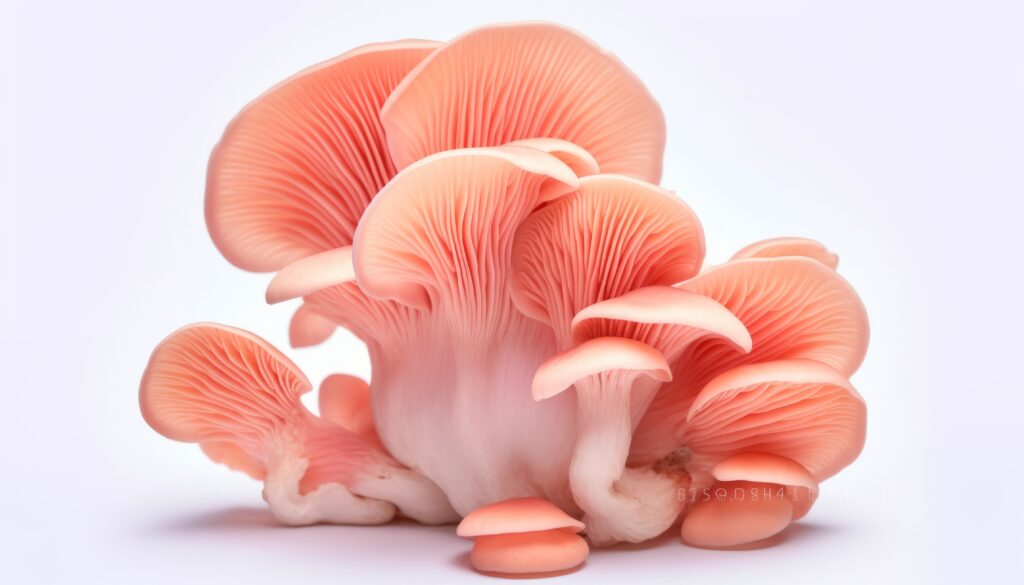
Pink Oyster mushrooms (Pleurotus djamor) are visually striking, with their vibrant pink caps and slender stems. They are generally smaller than King Oysters, typically measuring between 5 to 10 cm in diameter. Pink Oysters thrive in warm temperatures and their color can fade if exposed to light for extended periods.
Flavour Profile
The flavor of Pink Oyster mushrooms is delicate and slightly sweet, with a faint anise or floral note. They offer a more subtle taste compared to King Oysters, which makes them ideal for dishes where a lighter flavor is desirable. Their vibrant color adds a visual appeal that can elevate any plate.
Texture
Pink Oyster mushrooms have a softer texture than King Oysters, which makes them less suitable for longer cooking methods. They are best utilized in dishes where they can be quickly sautéed or lightly cooked, preserving their texture and flavor. Their unique softness contributes to a pleasant mouthfeel in various dishes.
Culinary Uses
In culinary applications, Pink Oyster mushrooms shine in lighter dishes such as salads, stir-fries, and pasta. They can be quickly sautéed with garlic and herbs or used in soups to enhance the broth’s flavor. Their striking appearance also makes them an attractive garnish for a range of dishes, providing both taste and visual appeal.
Comparative Analysis
Flavour Comparison
When comparing the flavors of King and Pink Oyster mushrooms, it is evident that they cater to different culinary needs. King Oysters have a robust, umami-rich flavor that makes them suitable for hearty dishes, while Pink Oysters offer a lighter, sweeter note ideal for more delicate preparations. This distinction allows chefs to choose the appropriate mushroom based on the desired flavor profile of the dish.
Texture Comparison
Texture plays a crucial role in the culinary application of these mushrooms. King Oysters’ meaty texture provides a satisfying chew, making them ideal for mimicking meat in vegetarian dishes. In contrast, Pink Oysters’ softer texture allows them to blend seamlessly into dishes where a lighter touch is needed. Understanding these textural differences helps chefs select the right mushroom for their specific recipes.
Culinary Applications Comparison
Both King and Pink Oysters have unique culinary applications that highlight their individual characteristics. King Oysters can withstand various cooking methods, making them versatile for grilling, roasting, or even braising. Pink Oysters, on the other hand, shine when lightly cooked to preserve their tender texture and subtle flavor. As such, recipes should be adapted based on the preferred mushroom to maximize flavor and texture.
Health Benefits of King and Pink Oyster Mushrooms
Both King and Pink Oyster mushrooms boast numerous health benefits, including high nutritional value, low calories, and a rich source of antioxidants. They are high in protein, especially King Oysters, making them an excellent option for vegetarians and vegans seeking to increase their protein intake. Furthermore, both varieties are rich in vitamins B and D, as well as important minerals like potassium and selenium.
Additionally, oyster mushrooms contain compounds that may help boost the immune system and reduce inflammation. Their low-calorie nature makes them suitable for weight management, as they can add bulk to dishes without significantly increasing calorie counts. Incorporating these mushrooms into a balanced diet can contribute to overall health and wellness.
Conclusion
In summary, King and Pink Oyster mushrooms each bring unique flavors, textures, and culinary applications to the table. King Oysters offer a hearty, meaty flavor and firm texture ideal for robust dishes, while Pink Oysters present a delicate sweetness and tender texture perfect for lighter fare. Understanding these differences allows chefs and food entrepreneurs to utilize both types of mushrooms effectively in their culinary creations, enhancing the dining experience for customers and home cooks alike.
FAQs
1. Can King Oyster mushrooms be used as a meat substitute?
Yes, due to their meaty texture and umami flavor, King Oyster mushrooms are often used as a meat substitute in vegetarian and vegan dishes.
2. How should I cook Pink Oyster mushrooms?
Pink Oyster mushrooms are best sautéed quickly or added to dishes just before serving to preserve their texture and flavor.
3. Are King and Pink Oyster mushrooms healthy?
Yes, both types are low in calories, rich in antioxidants, and provide essential nutrients, making them a healthy addition to various diets.
4. Can I grow King and Pink Oyster mushrooms at home?
Yes, both varieties can be grown at home with appropriate conditions. Kits are readily available for beginners.
5. How do the flavors of King and Pink Oysters differ?
King Oysters have a robust, nutty flavor, while Pink Oysters have a delicate, slightly sweet taste, making them suitable for different culinary applications.

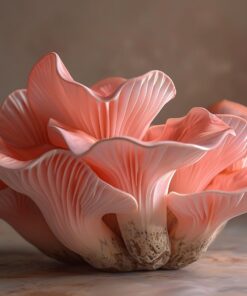
Pink Oyster Mushrooms
10ml Pink Oyster Mushrooms Specialist Range Liquid Culture Mycelium /Seed
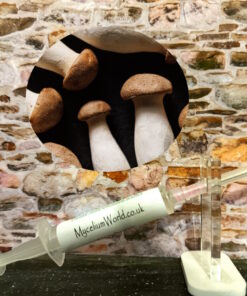

King Oyster Mushrooms
10ml King Oyster Mushrooms Specialist Range Liquid Culture Mycelium /Seed
Login
Register