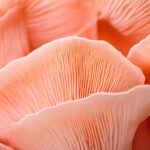
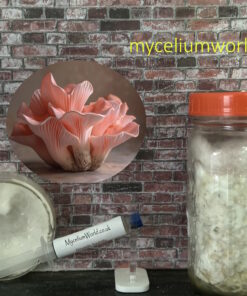
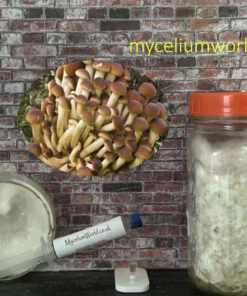
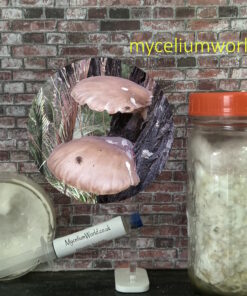
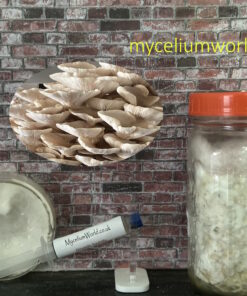
Pink Oyster Mushrooms

Our mission is to educate and empower individuals in the art of mushroom cultivation while providing high-quality growing products. We believe in the transformative power of mushrooms, both as a sustainable food source and a means to promote biodiversity. Our values centre around innovation, sustainability, and community, ensuring that we operate with integrity and a commitment to environmental stewardship.

Read More….


Why Mushroom Cultivation at Home?

Home mushroom cultivation presents numerous benefits for individuals and families alike. Firstly, growing your own mushrooms ensures you have access to organic produce without harmful pesticides and chemicals that are often found in store-bought varieties. This is particularly significant for health-conscious individuals looking to monitor their food intake closely.

Additionally, mushrooms are incredibly versatile ingredients that can enhance a variety of dishes. From savory stir-fries to flavorful soups, mushrooms can elevate meals while providing essential nutrients. By cultivating them at home, one can experiment with different species and recipes, leading to a broader culinary experience.

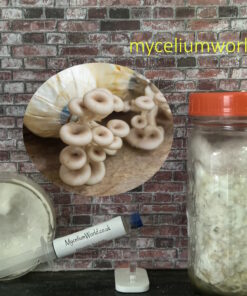
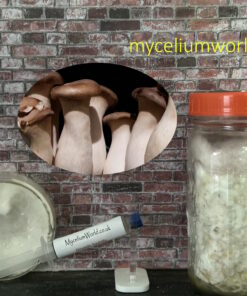
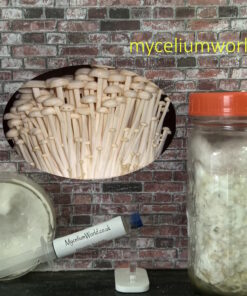
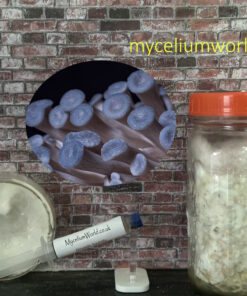
Enoki
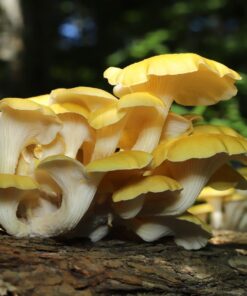
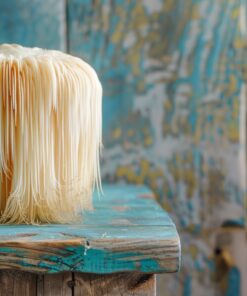
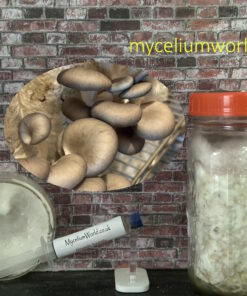
lions mane

The Basics of Mushroom Cultivation

Understanding Mycology

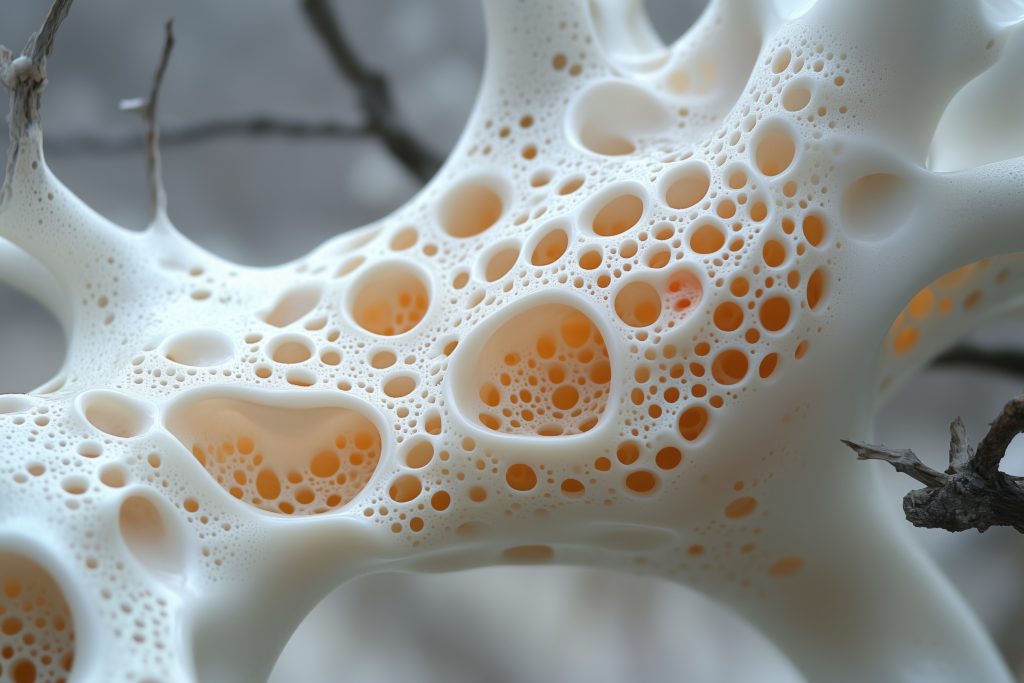
Mycology, the study of fungi, encompasses an array of organisms that play a crucial role in our ecosystem. Fungi are decomposers, breaking down organic matter and recycling nutrients back into the soil. Within this kingdom, mushrooms are a fruiting body that can reproduce and spread spores, leading to new growth.

For those interested in cultivating mushrooms, understanding the fundamentals of mycology is essential. Key concepts include the life cycle of mushrooms, the importance of substrate (the material on which mushrooms grow), and the various environmental conditions required for optimal growth. Familiarizing oneself with these aspects will enhance your chances of success in home cultivation.

Types of Mushrooms Suitable for Home Growing

Several types of mushrooms can be cultivated at home, each varying in difficulty level and growth requirements. Some of the most popular species for beginners include:

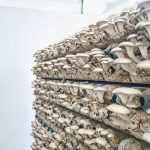
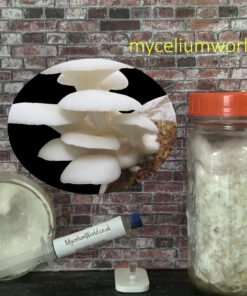
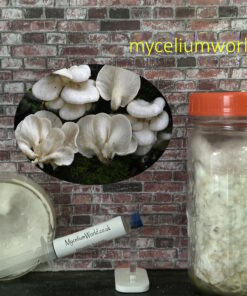
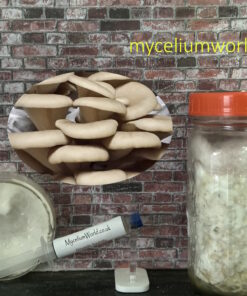
  • Oyster Mushrooms: Fast-growing and easy to cultivate, oyster mushrooms thrive on various substrates, including straw and coffee grounds.
  • Shiitake Mushrooms: Known for their rich flavor, shiitake mushrooms can be grown on hardwood logs or sawdust.
  • Button Mushrooms: Commonly found in supermarkets, these mushrooms are relatively simple to grow in composted manure.
  • Lion's Mane Mushrooms: Unique in appearance and flavor, Lion's Mane can be grown on sawdust or hardwood.

Choosing the right mushroom species based on your interests and growing environment is crucial in ensuring successful cultivation.

Essential Supplies for Beginners

To embark on your mushroom cultivation journey, certain supplies are essential. Here’s a list of what you will need:

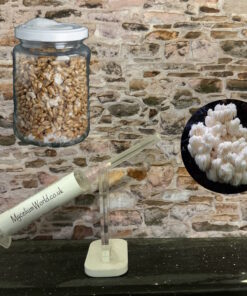
  • Mushroom Spawn: This is the mycelium or starter culture that you will use to inoculate your substrate.
  • Substrate: Depending on the type of mushroom, you may need straw, wood chips, sawdust, or grain.
  • Growing Containers: Choose containers that provide adequate ventilation, such as plastic bags, jars, or dedicated mushroom kits.
  • Humidity and Temperature Control: A means to regulate temperature and humidity, such as a humidifier or heating pad, is crucial for the mushroom's growth.
  • Clean Workspace: Cleanliness is vital to prevent contamination. Prepare your space with antibacterial wipes and sterile tools.

The Step-by-Step Process

Choosing the Right Growing Medium

The choice of substrate plays a significant role in the success of your mushroom-growing endeavors. Mushrooms require organic material rich in carbohydrates and nutrients. For instance, oyster mushrooms can flourish in straw, while shiitake mushrooms prefer hardwood sawdust or logs. Researching the specific needs of the mushroom species you aim to grow is essential.

Once you have selected the appropriate substrate, you will need to pasteurize or sterilize it to eliminate competing microorganisms. This process can be achieved through various methods, such as boiling, pressure cooking, or using a microwave, depending on the substrate and your available resources.

Inoculation: Starting Your Mushroom Garden

Inoculation is the process of introducing mushroom spawn into the prepared substrate. This step is crucial and should be performed in a sterile environment to minimize the risk of contamination. Using gloves and sterilized tools, mix the spawn thoroughly with the substrate, ensuring an even distribution.

After inoculation, place the substrate in the chosen growing containers. Cover the containers with breathable material to create a microclimate beneficial for mycelium growth. During this incubation period, keep the containers in a dark, warm area (ideally between 65-75°F) to encourage the mycelium to colonize the substrate.

Maintaining Optimal Growing Conditions

Once your substrate is fully colonized, it’s time to initiate fruiting conditions. This involves exposing the mycelium to fresh air, light, and increased humidity. Depending on the species, you may need to adjust temperature and humidity levels to promote fruiting.

Consistent monitoring is key. If growing indoors, consider using a spray bottle to mist the substrate and maintain humidity levels. Additionally, ensure that your growing area has adequate ventilation to prevent mold growth. As your mushrooms begin to sprout, it’s essential to keep an eye on their growth and harvest them at the right time for optimal flavor and texture.

Health Benefits of Home-Grown Mushrooms

Nutritional Value of Mushrooms

Mushrooms are not only delicious but also packed with nutrients. They are low in calories and high in essential vitamins and minerals. For example, mushrooms are a great source of B vitamins, such as riboflavin, niacin, and pantothenic acid, which are vital for energy production and metabolism.

Moreover, mushrooms are rich in antioxidants, which help combat oxidative stress in the body. They also contain selenium, a mineral that plays a critical role in immune function and thyroid health. The unique compounds found in certain mushrooms, such as beta-glucans, have been shown to support a healthy immune response, making them an excellent addition to a balanced diet.

Medicinal Properties of Various Mushroom Species

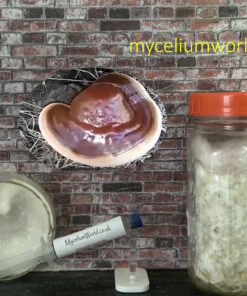
Beyond their nutritional benefits, many mushrooms possess medicinal properties that have been used in traditional medicine for centuries. For instance, reishi mushrooms are known for their immune-boosting and stress-relieving qualities, while lion's mane mushrooms have shown promise in cognitive health and nerve regeneration.

Additionally, cordyceps mushrooms are celebrated for their potential to enhance athletic performance and energy levels. Their unique compounds may help increase oxygen utilization and improve stamina. By cultivating these mushrooms at home, individuals can tap into their health benefits while enjoying the satisfaction of growing their own medicine.

Challenges and Solutions in Mushroom Cultivation

Common Problems and How to Overcome Them

While mushroom cultivation can be rewarding, it is not without its challenges. One of the most common issues faced by novice growers is contamination by unwanted molds and bacteria. To mitigate this risk, maintaining a clean and sterile environment is crucial throughout the cultivation process. Regularly inspect your growing conditions and be prepared to discard contaminated batches promptly.

Another challenge is achieving the right humidity and temperature levels. If the environment is too dry or too hot, mushrooms may not fruit or could even die. Utilizing hygrometers and thermometers can help monitor these conditions. Additionally, consider investing in a small humidity tent or fruiting chamber to better control your growing environment.

Understanding Contamination Risks

Contamination is a significant concern in mushroom cultivation. Spores from mold or bacteria can easily invade your substrate, leading to a failed crop. To minimize this risk, always use high-quality, certified mushroom spawn and handle it with care. Sterilizing all tools and containers before use is critical, as is working in a clean environment.

Moreover, be mindful of how you introduce fresh air into your growing area. While ventilation is necessary, excessive airflow can introduce contaminants. It’s a delicate balance that requires regular adjustments and monitoring as your mushrooms grow.

Conclusion

The Future of Home Mushroom Cultivation

As more individuals become aware of the benefits of home mushroom cultivation, the practice is likely to continue growing in popularity. Factors such as urbanization, the need for sustainable food sources, and an increased interest in health and wellness contribute to this trend. By engaging in mushroom cultivation, people can not only enjoy fresh produce but also cultivate a deeper understanding of food systems and environmental stewardship.

Encouraging a Sustainable Lifestyle

In conclusion, home mushroom cultivation is an accessible and rewarding endeavor for anyone looking to enhance their culinary experiences and improve their health. With a little knowledge and dedication, anyone can start their journey in mycology and enjoy the many benefits that come from growing their own mushrooms. Whether you are purely a culinary enthusiast or someone interested in the medicinal properties of mushrooms, this practice is worthwhile for a sustainable lifestyle.

FAQs

1. How long does it take to grow mushrooms at home?

The time it takes to grow mushrooms varies by species. Generally, it can take anywhere from 2 to 6 weeks from inoculation to harvest. Fast-growing species like oyster mushrooms may be ready in as little as 3 weeks, while shiitake mushrooms can take longer.

2. Do I need a greenhouse to grow mushrooms?

No, a greenhouse is not necessary for home mushroom cultivation. Many species can be grown indoors in a controlled environment, such as a spare room or basement. As long as you can control humidity and temperature, you can successfully cultivate mushrooms without a greenhouse.

3. Can I grow mushrooms in my kitchen?

Yes, you can grow mushrooms in your kitchen, provided you have enough space and can maintain the right humidity and temperature levels. However, be cautious about cleanliness to avoid contamination.

4. What is the best substrate for beginners?

For beginners, straw is often recommended as a substrate for growing oyster mushrooms. It is readily available, easy to work with, and supports quick colonization and fruiting.

5. Are home-grown mushrooms safe to eat?

Yes, home-grown mushrooms are safe to eat as long as you ensure that they are cultivated correctly and harvested at the appropriate time. Always ensure you are growing edible species and follow proper hygiene practices throughout the process.